The Ultimate Guide to Diamonds: History, Grading, and Eternal Value
For centuries, diamonds have been the ultimate symbol of love, power, and permanence. From the deep mantle of the Earth to the crowning jewels of royalty, these carbon-based crystals possess a lure unlike any other gemstone. Whether you are shopping for an engagement ring, looking for an investment, or simply fascinated by geology, understanding the world of diamonds is essential. This comprehensive guide explores everything from how diamonds are formed to the intricate details of the 4Cs.
How Diamonds Are Formed: A Geological Miracle
Diamonds are more than just pretty stones; they are a testament to the Earth’s incredible power. Formed approximately 100 miles below the Earth’s surface, diamonds are the result of pure carbon subjected to extreme heat (at least 2,000 degrees Fahrenheit) and crushing pressure (725,000 pounds per square inch). This process takes billions of years.
These precious stones are brought to the surface through volcanic eruptions via “pipes” known as kimberlite. Because of their incredible hardness—ranking a 10 on the Mohs scale—they survive the violent journey upward. Today, major diamond deposits are found in regions like Russia, Botswana, Canada, and Australia.
Understanding the 4Cs: The Universal Standard for Quality
In the mid-20th century, the Gemological Institute of America (GIA) created the “4Cs” to standardize how diamonds are evaluated and priced. Understanding these four factors is the most important step for any buyer.
1. Cut: The Key to Brilliance
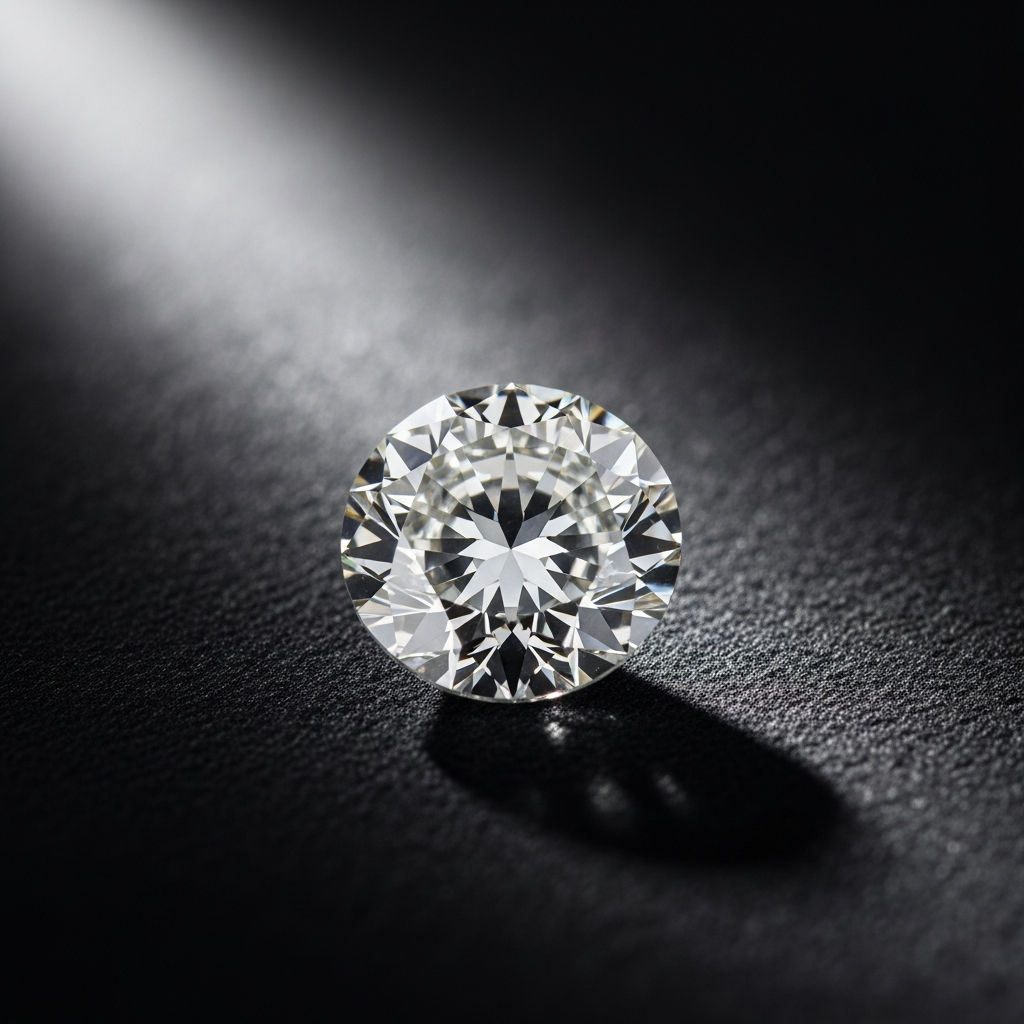
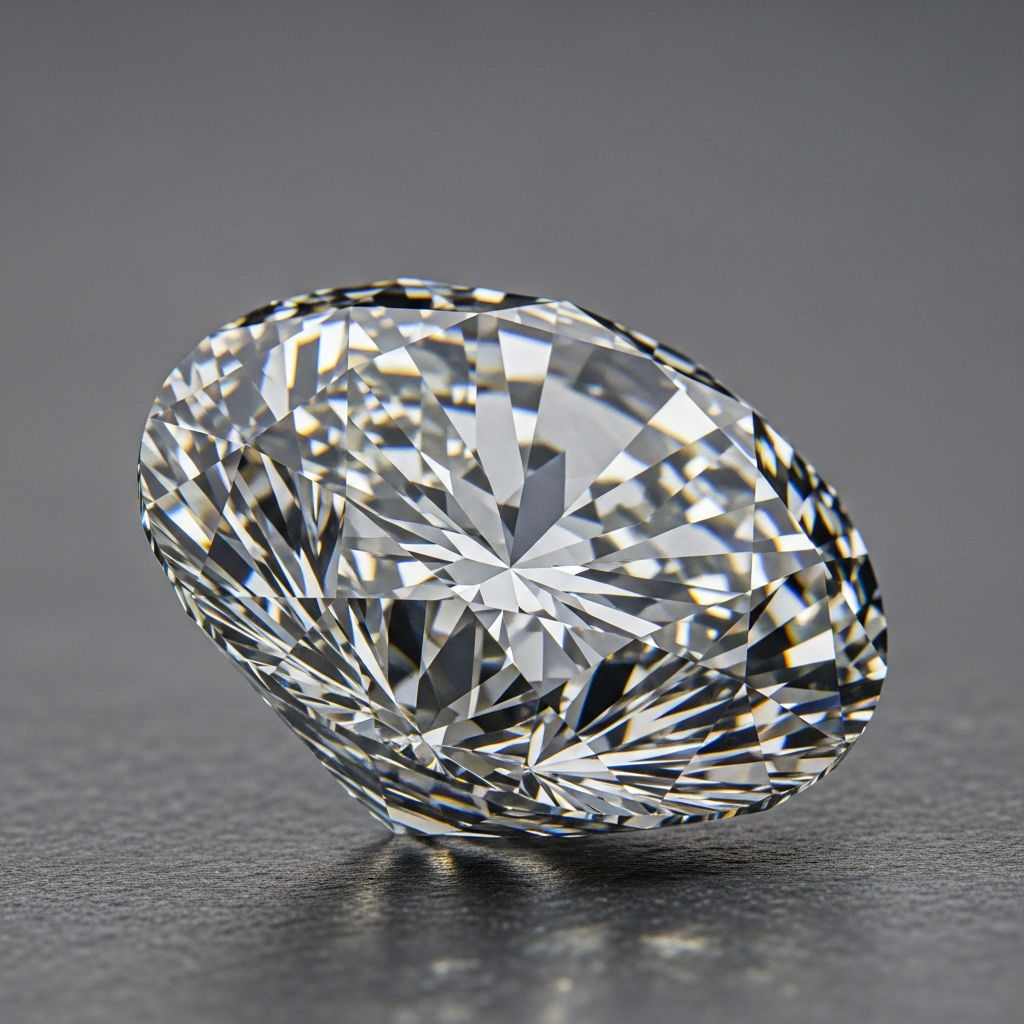
While many people confuse “cut” with the shape of the diamond (like round, oval, or pear), it actually refers to how well a diamond’s facets interact with light. A well-cut diamond reflects light internally from one facet to another and then disperses it through the top. This creates three distinct effects:
- Brilliance: The total light reflected from a diamond.
- Fire: The dispersion of light into the colors of the spectrum.
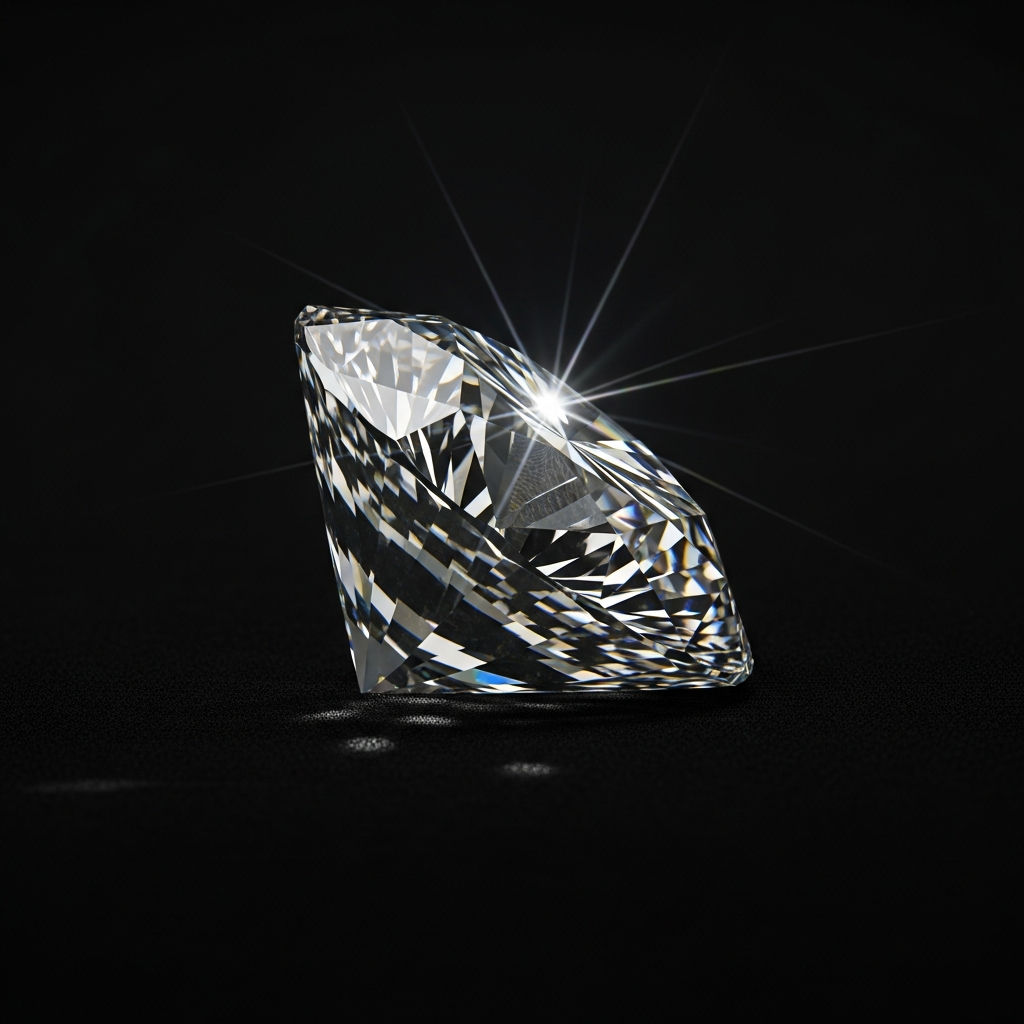
- Scintillation: The flashes of light, or sparkle, when a diamond moves.
2. Color: The Absence of Hue
In white diamonds, the GIA color scale ranges from D (colorless) to Z (light yellow or brown). Truly colorless diamonds are extremely rare and highly valuable. Most diamonds used in jewelry are “near-colorless,” falling in the G to J range, where the hint of color is often invisible to the untrained eye once set in metal.
3. Clarity: Nature’s Fingerprints
Because diamonds are formed under intense pressure, they often contain internal “inclusions” or surface “blemishes.” Clarity grades range from Flawless (no inclusions visible under 10x magnification) to Included (inclusions visible to the naked eye). Most buyers opt for “eye-clean” diamonds—stones where inclusions exist but cannot be seen without a microscope.
4. Carat: The Measure of Weight
Carat refers to the diamond’s weight, not its physical size. One carat is equal to 200 milligrams. Because large diamonds are much rarer than small ones, the price of a diamond increases exponentially as the carat weight goes up. For example, a single 2-carat diamond will cost significantly more than two 1-carat diamonds of equal quality.
Natural vs. Lab-Grown Diamonds: The Modern Debate
One of the biggest shifts in the jewelry industry has been the rise of lab-grown diamonds. It is important to note that lab-grown diamonds are chemically, physically, and optically identical to natural diamonds. They are not “fakes” like cubic zirconia or moissanite; they are real diamonds created in a controlled environment.
- Natural Diamonds: Valued for their rarity, billion-year history, and potential for resale value. They are finite resources that hold a romantic “miracle of nature” appeal.
- Lab-Grown Diamonds: Produced using High Pressure High Temperature (HPHT) or Chemical Vapor Deposition (CVD) methods. They are generally 30% to 70% less expensive than natural diamonds and appeal to eco-conscious and budget-savvy consumers.
Fancy Color Diamonds: The Rarity of the Rainbow
While most consumers look for the absence of color, there is a whole world of “Fancy Color Diamonds.” These occur when trace elements like nitrogen, boron, or radiation affect the diamond during formation. Only one in every 10,000 diamonds possesses a natural fancy color.
- Yellow Diamonds: Caused by nitrogen; often called “Canary” diamonds.
- Blue Diamonds: Caused by boron; the most famous example is the Hope Diamond.
- Pink and Red Diamonds: Extremely rare; the color is believed to come from rare distortions in the crystal lattice.
- Green Diamonds: Result from exposure to natural radiation over millions of years.
Industrial Applications: More Than Just Jewelry
While we primarily associate diamonds with engagement rings, about 80% of mined diamonds are used for industrial purposes. Because it is the hardest known natural material, the diamond is an indispensable tool in modern technology and manufacturing.
Common industrial uses include:
- Cutting and Drilling: Diamond-tipped bits are used to cut through stone, concrete, and metal.
- Abrasives: Diamond dust is used for polishing other gemstones and precision tools.
- Technology: Due to their high thermal conductivity, diamonds are used in heat sinks for high-performance electronics and lasers.
- Medicine: Diamond-scalpels are used in eye surgery and neurosurgery for incredibly precise incisions.
Ethical Sourcing and the Kimberley Process
The diamond industry has faced significant scrutiny regarding “conflict diamonds”—diamonds used to fund rebel movements against recognized governments. In 2003, the Kimberley Process Certification Scheme was established to prevent these stones from entering the mainstream market.
Today, over 99% of diamonds are conflict-free. Modern consumers often look for additional certifications or “provenance” reports that track a diamond from the mine to the finger, ensuring that the stone was ethically sourced and that the mining process supported local communities.
Are Diamonds a Good Investment?
Many people wonder if diamonds are a solid financial investment. While diamonds generally retain value over time, they are not as liquid as gold or stocks. Their value depends heavily on the specific 4Cs and current market demand. High-quality, rare natural diamonds (especially large stones or fancy colors) tend to appreciate more consistently than common commercial-grade diamonds.
If you are buying for investment, it is crucial to purchase GIA-certified stones and understand that the “buy” price at a retail store includes a markup that you likely won’t recover in an immediate resale. Diamonds should primarily be viewed as an emotional investment that carries lasting value.
Conclusion: Choosing the Right Diamond for You
Diamonds remain one of the most fascinating objects on the planet. Whether you choose a natural stone with a billion-year history or a lab-grown diamond created with cutting-edge technology, the beauty of the gem remains the same. By understanding the 4Cs and your own priorities—whether that be size, sparkle, or ethics—you can select a diamond that will be cherished for generations.
Ultimately, a diamond is more than just a piece of jewelry; it is a symbol of endurance. As the saying goes, “A diamond is forever,” and with the right knowledge, you can ensure your choice is as timeless as the stone itself.