The Ultimate Guide to Diamonds: Science, History, and Value
Diamonds have captivated human imagination for millennia. Often hailed as “a girl’s best friend” or the ultimate symbol of eternal love, these gemstones are far more than just sparkly ornaments. They are geological marvels, products of extreme pressure, and some of the most versatile materials in both the luxury and industrial sectors. In this comprehensive guide, we will explore everything you need to know about diamonds, from their subterranean origins to the complex grading systems that determine their worth.
What is a Diamond? The Science Behind the Sparkle
At its simplest level, a diamond is a solid form of the element carbon with its atoms arranged in a crystal structure called diamond cubic. While graphite—the material in your pencil—is also made of carbon, the way those atoms are bonded makes all the difference. In a diamond, each carbon atom is covalently bonded to four other carbon atoms, creating a rigid, three-dimensional lattice.
This unique molecular structure gives diamonds several extraordinary physical properties:
- Hardness: Diamonds are the hardest known natural substance on Earth, ranking a perfect 10 on the Mohs scale of mineral hardness.
- Thermal Conductivity: They conduct heat better than almost any other material, which is why they often feel cold to the touch.
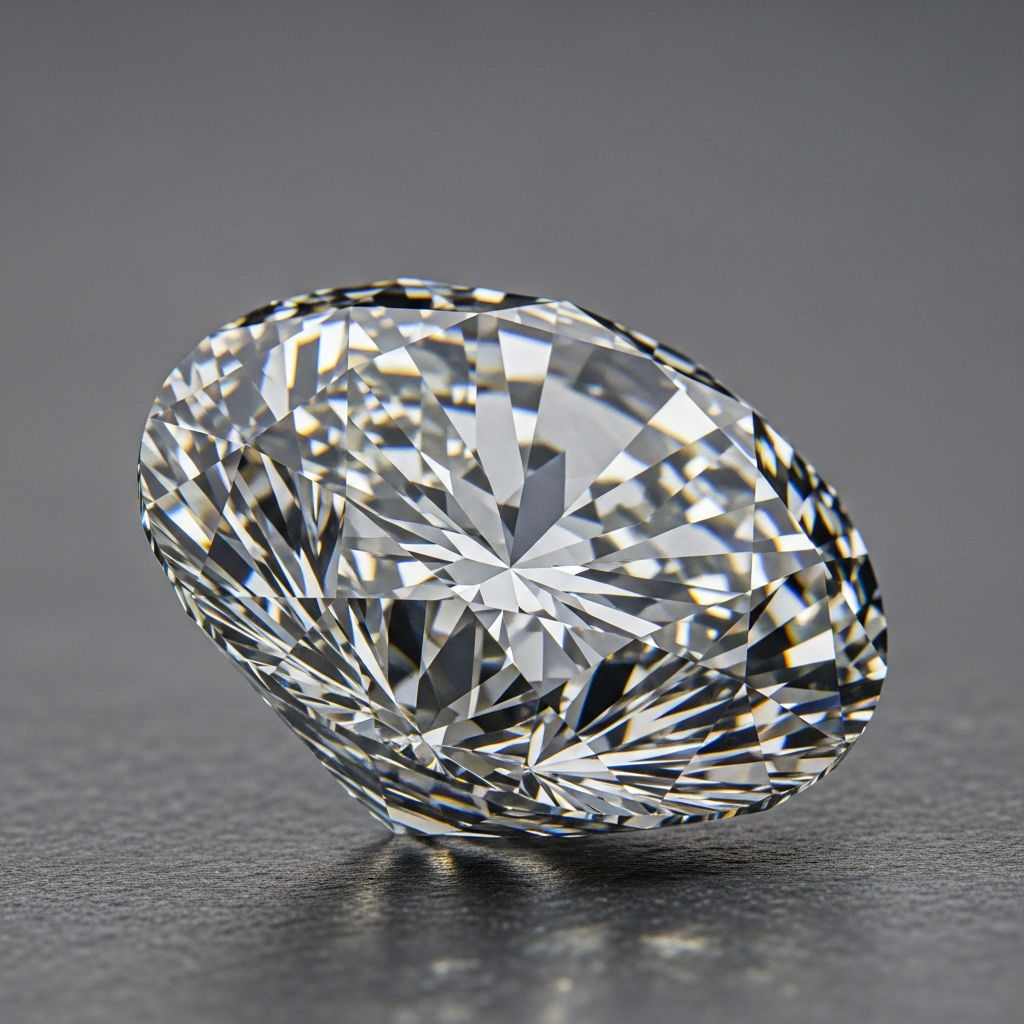
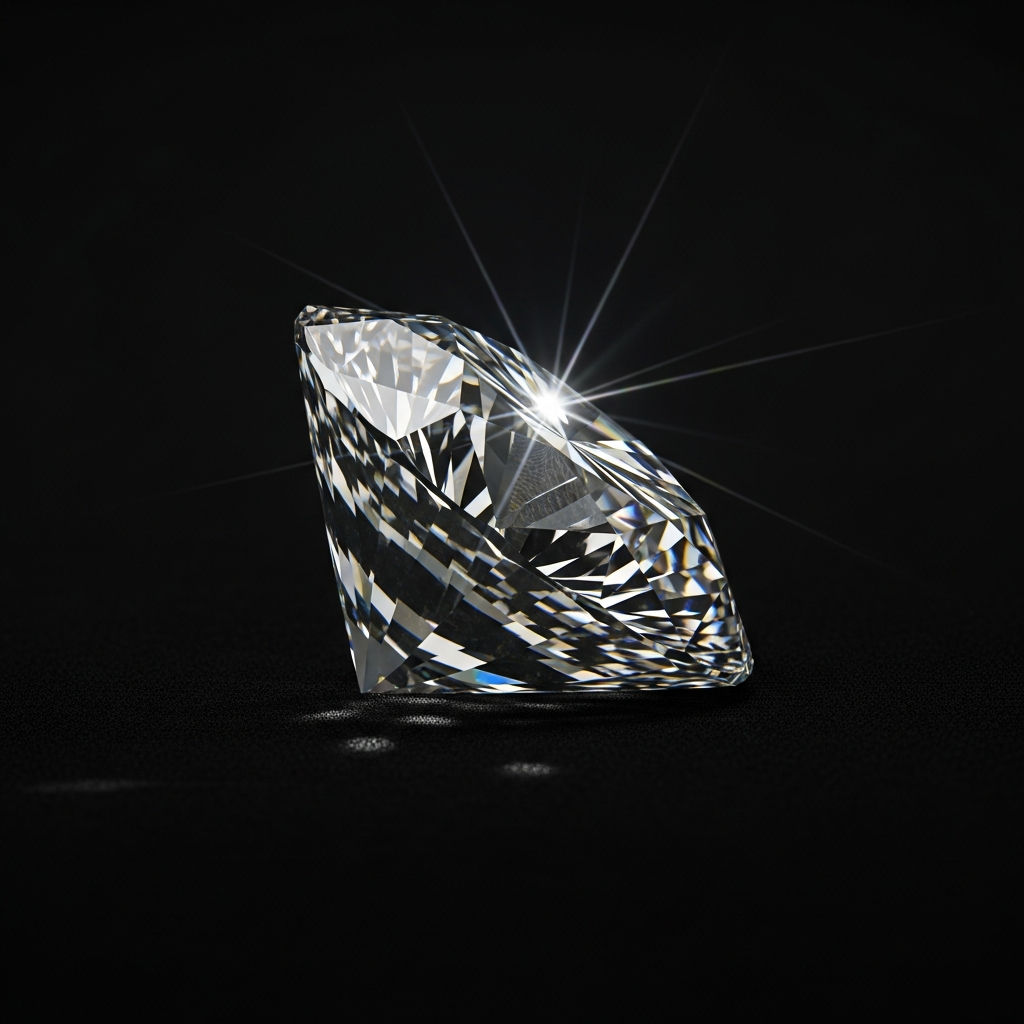
- Refractive Index: Diamonds have a high refractive index, which contributes to their “brilliance”—the ability to bend and reflect light back to the eye.
- Dispersion: This is the “fire” of a diamond, where white light is split into the colors of the rainbow.
How Diamonds Are Formed: Nature’s Masterpiece
Natural diamonds are not created from coal, despite popular myths. Instead, they formed billions of years ago deep within the Earth’s mantle—roughly 90 to 150 miles below the surface. This environment provides the two essential ingredients for diamond creation: intense heat (over 2,000 degrees Fahrenheit) and extreme pressure (about 725,000 pounds per square inch).
Over millions of years, these carbon atoms crystallized into the gemstones we recognize today. They were brought to the surface by deep-seated volcanic eruptions through conduits known as “kimberlite pipes.” Today, most diamonds are mined from these pipes or from alluvial deposits where erosion has carried the stones into riverbeds and oceans.
Understanding the 4Cs: The Universal Grading Standard
When purchasing a diamond, whether for an engagement ring or an investment, it is essential to understand the “4Cs.” Established by the Gemological Institute of America (GIA), this system provides a universal language for evaluating diamond quality.
1. Cut
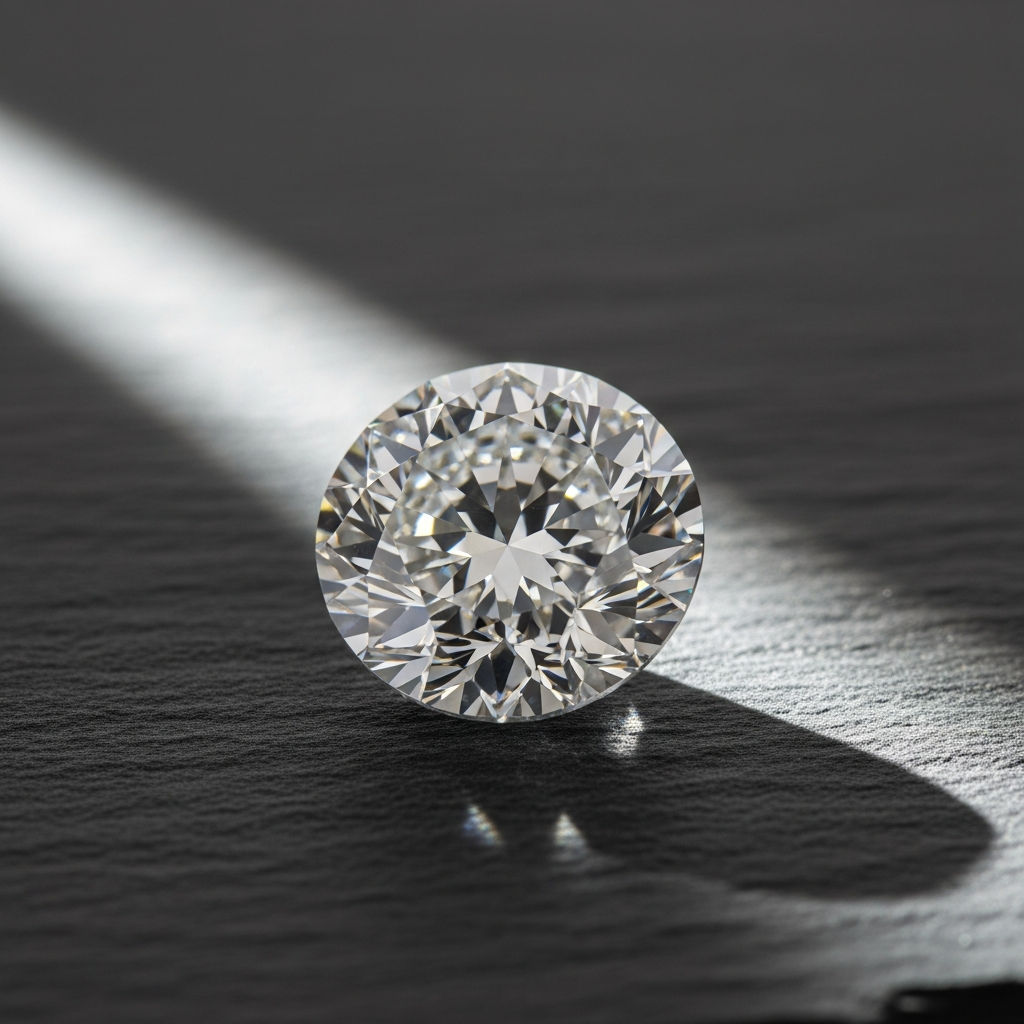
Often considered the most important of the 4Cs, the cut refers to how well a diamond’s facets interact with light. A well-cut diamond will maximize light return, making it appear bright and fiery. A poorly cut diamond, even if it has perfect color and clarity, will look dull or “leaky.” Cut grades range from Excellent to Poor.
2. Color
For white or “colorless” diamonds, the evaluation is based on the absence of color. The GIA scale starts at D (completely colorless) and continues through the alphabet to Z (light yellow or brown). Truly colorless diamonds are the rarest and most expensive.
3. Clarity
Clarity measures the number, size, and location of internal “inclusions” or external “blemishes.” The scale ranges from Flawless (FL) to Included (I3). Most diamonds have tiny imperfections that are invisible to the naked eye but can be seen under 10x magnification.
4. Carat Weight
Carat refers to the diamond’s weight, not its physical size. One carat is equal to 200 milligrams. While larger diamonds are rarer and more valuable, two diamonds of equal carat weight can have very different values depending on their Cut, Color, and Clarity.
Natural vs. Lab-Grown Diamonds: Which Should You Choose?
In recent years, lab-grown diamonds have surged in popularity. It is important to note that lab-grown diamonds are chemically, physically, and optically identical to natural diamonds. The only difference is their origin.
Natural Diamonds:
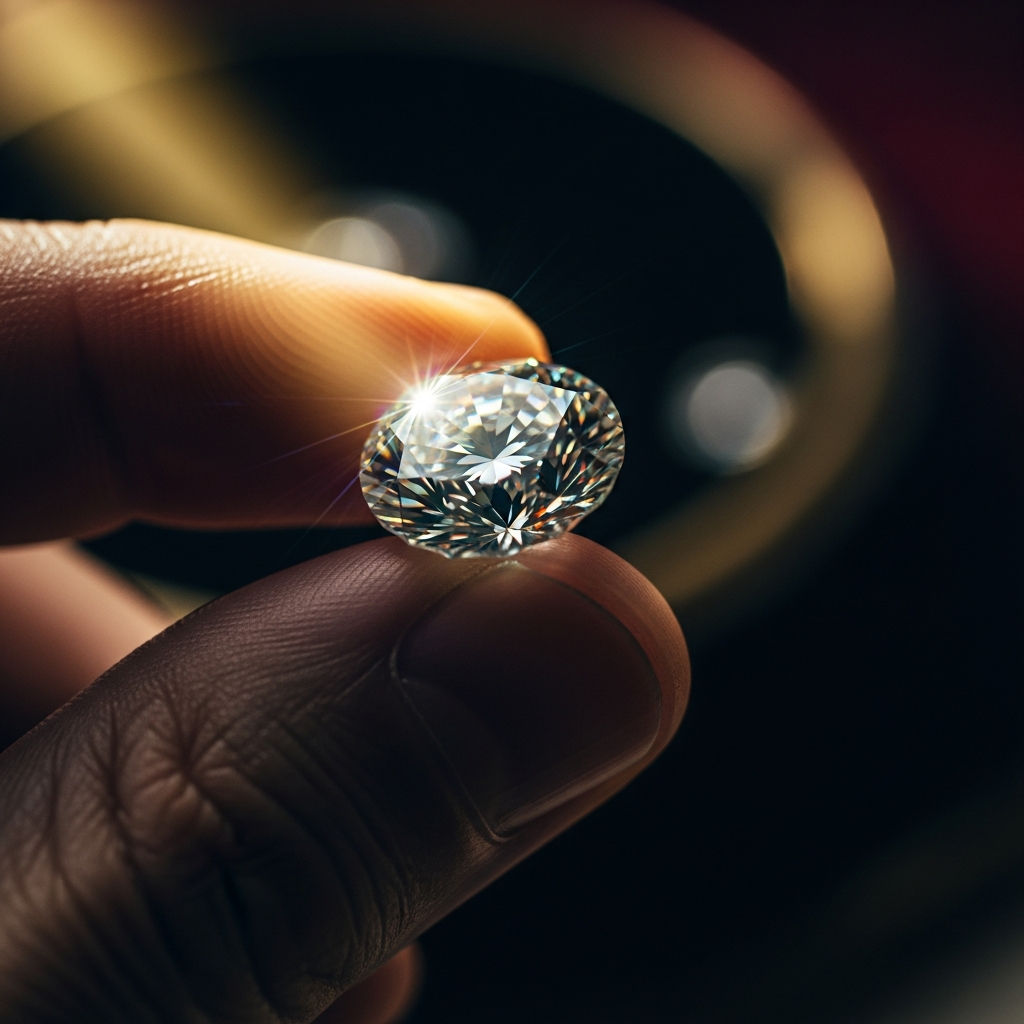
- Pros: Rarity, historical value, and potential for resale value.
- Cons: Higher price point and potential environmental concerns regarding mining.
Lab-Grown Diamonds:
- Pros: Generally 30% to 50% more affordable, guaranteed conflict-free, and an eco-friendly alternative.
- Cons: Limited resale value and lack of the “billions of years old” prestige.
Choosing between the two often comes down to personal priorities: the romance and rarity of a natural stone versus the value and ethics of a lab-created one.
Industrial Uses of Diamonds
While the jewelry industry consumes a significant portion of the world’s diamonds, the industrial sector relies heavily on them as well. Because of their unmatched hardness, diamonds are indispensable in several fields:
- Cutting and Drilling: Diamond-tipped drill bits are used in oil and gas exploration and mining.
- Abrasives: Diamond dust is used to polish other gemstones, sharpen tools, and cut glass.
- High-Tech Electronics: Due to their high thermal conductivity, diamonds are used as heat sinks in high-power transistors and laser diodes.
- Medicine: Diamond-edged scalpels are used in precision surgeries, such as eye surgery, because they provide a cleaner, sharper cut than steel.
The Ethics of Diamond Sourcing
The diamond industry has faced significant scrutiny over “blood diamonds”—stones mined in war zones to finance armed conflict. To combat this, the international community established the Kimberley Process Certification Scheme (KPCS) in 2003. This process prevents “conflict diamonds” from entering the mainstream market by requiring strict documentation from mine to market.
Today, over 99% of the world’s diamonds are sourced from conflict-free regions. Additionally, many modern mining companies invest heavily in the communities where they operate, providing healthcare, education, and infrastructure. However, for those seeking total transparency, “ethically sourced” or “traceable” diamonds are becoming more accessible.
How to Care for Your Diamond Jewelry
Although diamonds are the hardest substance on Earth, they are not indestructible. They can chip if struck at the right angle, and they are magnets for grease and oils, which can dull their sparkle. Here are some tips for maintaining your diamonds:
- Regular Cleaning: Soak your diamond in a solution of warm water and mild dish soap. Use a soft toothbrush to gently scrub away dirt.
- Professional Inspections: Have a jeweler check the prongs and settings once a year to ensure the diamond remains secure.
- Safe Storage: Store diamond jewelry in separate compartments or soft pouches. Because diamonds can scratch other diamonds and metals, they should never be tossed together in a box.
- Avoid Harsh Chemicals: Remove your rings when using bleach or other strong cleaners, as they can damage the metal setting holding the diamond.
The Enduring Legacy of Diamonds
From the depths of the Earth to the crowns of royalty, diamonds have maintained an unmatched status among gemstones. Whether you value them for their scientific uniqueness, their industrial utility, or their emotional significance, diamonds remain a testament to the power of nature. As technology evolves and ethical standards improve, the diamond industry continues to adapt, ensuring that these “pieces of eternity” will be cherished for generations to come.
When you buy a diamond, you aren’t just purchasing a piece of jewelry; you are owning a fragment of Earth’s history that has survived a billion-year journey. By understanding the 4Cs, the difference between natural and lab-grown options, and the importance of ethical sourcing, you can make an informed decision and find a stone that truly shines for you.