
The Ultimate Guide to Diamonds: Science, History, and the 4 Cs
Diamonds have captivated human imagination for millennia. Often referred to as “the king of gemstones,” a diamond is more than just a piece of jewelry; it is a marvel of geological history, a symbol of eternal love, and a powerhouse of industrial utility. Formed under intense heat and pressure deep within the Earth’s mantle, these carbon-based crystals represent the pinnacle of natural durability and brilliance. In this comprehensive guide, we explore everything you need to know about diamonds, from their physical properties to the essential factors you should consider when purchasing one.
What is a Diamond? The Science of Brilliance
At its core, a diamond is a solid form of the element carbon with its atoms arranged in a crystal structure called diamond cubic. This unique arrangement is what gives the stone its legendary hardness. On the Mohs scale of mineral hardness, diamonds sit at a perfect 10, making them the hardest natural substance known to man. This means that a diamond can only be scratched by another diamond.
Most natural diamonds were formed between 1 billion and 3.5 billion years ago. They were created at depths of 150 to 250 kilometers (93 to 155 miles) below the Earth’s surface, where temperatures and pressures are high enough to crystallize carbon. Volcanic eruptions later brought these stones closer to the surface through “pipes” made of a rock called kimberlite, where they were eventually mined.
Understanding the 4 Cs of Diamonds
When it comes to evaluating the quality and price of a diamond, the industry adheres to a global standard known as the “4 Cs.” Established by the Gemological Institute of America (GIA), these four factors determine a stone’s rarity and value.
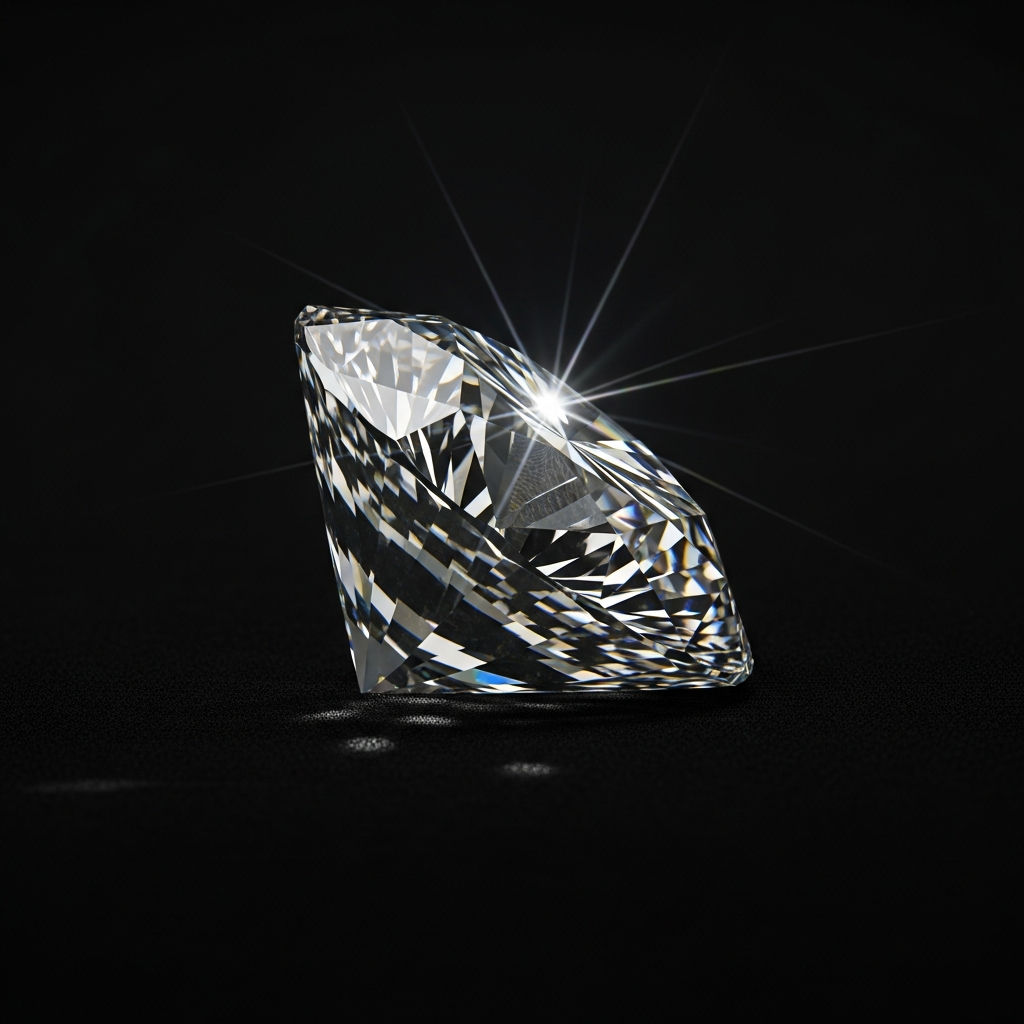
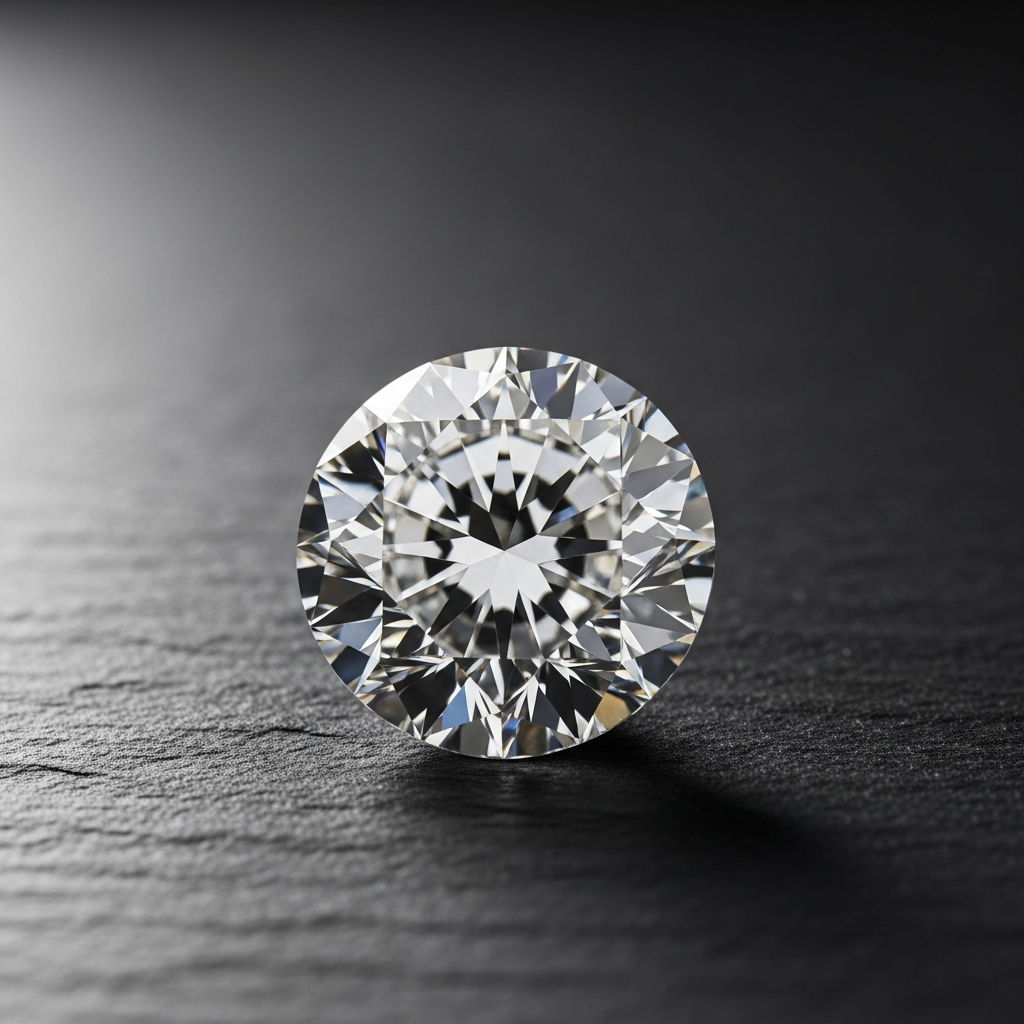
- Cut: This is arguably the most important of the 4 Cs. The cut refers not to the shape (like round or pear), but to how well the diamond’s facets interact with light. A well-cut diamond reflects light internally from one facet to another and disperses it through the top, creating that signature “sparkle” or fire.
- Color: Diamond color is graded on a scale from D (colorless) to Z (light yellow or brown). Truly colorless diamonds are the rarest and most expensive. However, “fancy color diamonds” (such as blue, pink, or yellow) exist outside this scale and are valued for the intensity of their hue.
- Clarity: Natural diamonds are the result of carbon exposed to tremendous heat and pressure. This process can result in internal “inclusions” or surface “blemishes.” The clarity scale ranges from Flawless (no inclusions visible under 10x magnification) to Included (inclusions visible to the naked eye).
- Carat Weight: Carat refers to the diamond’s weight, not its physical size. One carat is equivalent to 200 milligrams. As diamonds increase in carat weight, their price rises exponentially because larger, high-quality diamonds are much rarer in nature.
Natural vs. Lab-Grown Diamonds
In recent years, the jewelry market has seen a surge in “lab-grown” diamonds. It is important to understand that lab-grown diamonds are chemically, physically, and optically identical to natural diamonds. The only difference is their origin.
Lab-grown diamonds are created in controlled laboratory environments using technologies like High Pressure High Temperature (HPHT) or Chemical Vapor Deposition (CVD). While they offer a more affordable and often more sustainable alternative to mined stones, natural diamonds retain a higher resale value due to their scarcity and the billions of years required for their formation. Choosing between the two often comes down to personal preference, budget, and ethical considerations.
The Symbolic History of Diamonds
The word “diamond” is derived from the Greek word adamas, which means “invincible” or “unconquerable.” This reflects the ancient belief in the diamond’s indestructible nature. Historically, diamonds were first discovered in India over 2,400 years ago and were initially used as decorative icons and talismans to ward off evil.
The tradition of the diamond engagement ring began in 1477, when Archduke Maximilian of Austria gave a diamond ring to Mary of Burgundy. However, it wasn’t until the late 1940s, following the famous “A Diamond is Forever” marketing campaign by De Beers, that diamonds became the universal symbol of marriage and commitment. Today, they remain the most popular choice for engagement and wedding jewelry worldwide.

Beyond Jewelry: Industrial Uses of Diamonds
While we most often associate diamonds with luxury, roughly 80% of mined diamonds are unsuitable for jewelry. These are known as “industrial-grade” diamonds. Because of their extreme hardness and thermal conductivity, diamonds are essential in several high-tech and heavy-labor industries:
- Cutting and Drilling: Diamond-tipped drill bits and saws are used to cut through stone, concrete, and even other gemstones.
- Abrasives: Diamond dust is used to polish and grind materials that are too hard for other abrasives.
- Technology: Diamonds are used in high-end speakers, heat sinks for computers, and even in surgical tools like diamond-bladed scalpels.
- Electronics: Due to their ability to withstand high voltages, diamonds are being researched for use in next-generation semiconductors.
Ethical Sourcing and the Kimberley Process
In the late 20th century, the diamond industry faced scrutiny over “conflict diamonds” or “blood diamonds”—stones mined in war zones and sold to finance armed conflict. To combat this, the international community established the Kimberley Process Certification Scheme (KPCS) in 2003.
The Kimberley Process prevents conflict diamonds from entering the mainstream rough diamond market. Today, over 99% of diamonds are sourced from conflict-free regions. When buying a diamond, consumers should look for retailers who provide GIA or IGI certifications and can trace the stone’s origin to ensure ethical mining practices.
How to Care for Your Diamond Jewelry
Even though diamonds are the hardest material on Earth, they are not indestructible. They can be chipped by a hard blow or scratched by another diamond. To keep your diamond jewelry looking its best, follow these maintenance tips:
- Regular Cleaning: Diamonds are “grease magnets.” Skin oils, lotions, and soap can create a film on the stone, dulling its sparkle. Clean your diamond in a solution of warm water and mild dish soap using a soft toothbrush.
- Safe Storage: Store your diamond jewelry in separate pouches or lined jewelry boxes. This prevents the diamonds from scratching other softer gemstones or metals in your collection.
- Professional Inspections: Once a year, take your diamond to a professional jeweler. They can check the “prongs” (the metal claws holding the stone) to ensure the diamond isn’t at risk of falling out.
Conclusion: An Everlasting Investment
Whether you are purchasing a diamond as a romantic gesture, a fashion statement, or an industrial tool, its value is undeniable. Diamonds represent the perfect intersection of science and art. By understanding the 4 Cs, the difference between natural and lab-grown stones, and the importance of ethical sourcing, you can make an informed decision and find a stone that truly lasts forever.
In a world of fleeting trends, the diamond remains a constant—a billion-year-old treasure that continues to shine with unparalleled brilliance. As you embark on your journey to find the perfect stone, remember that every diamond is as unique as the person wearing it.