The Ultimate Guide to Diamonds: Nature’s Most Extraordinary Masterpiece
For centuries, the diamond has stood as the ultimate symbol of love, resilience, and luxury. Formed deep within the Earth’s mantle under conditions of extreme heat and pressure, these carbon-based gemstones are the hardest natural substance known to man. Whether you are searching for the perfect engagement ring or looking to invest in a piece of timeless jewelry, understanding the nuances of diamonds is essential.
In this comprehensive guide, we will explore everything from the geological origins of diamonds to the modern debate between natural and lab-grown stones, ensuring you have the knowledge to make an informed decision.
How Diamonds are Formed: A Journey Through Time
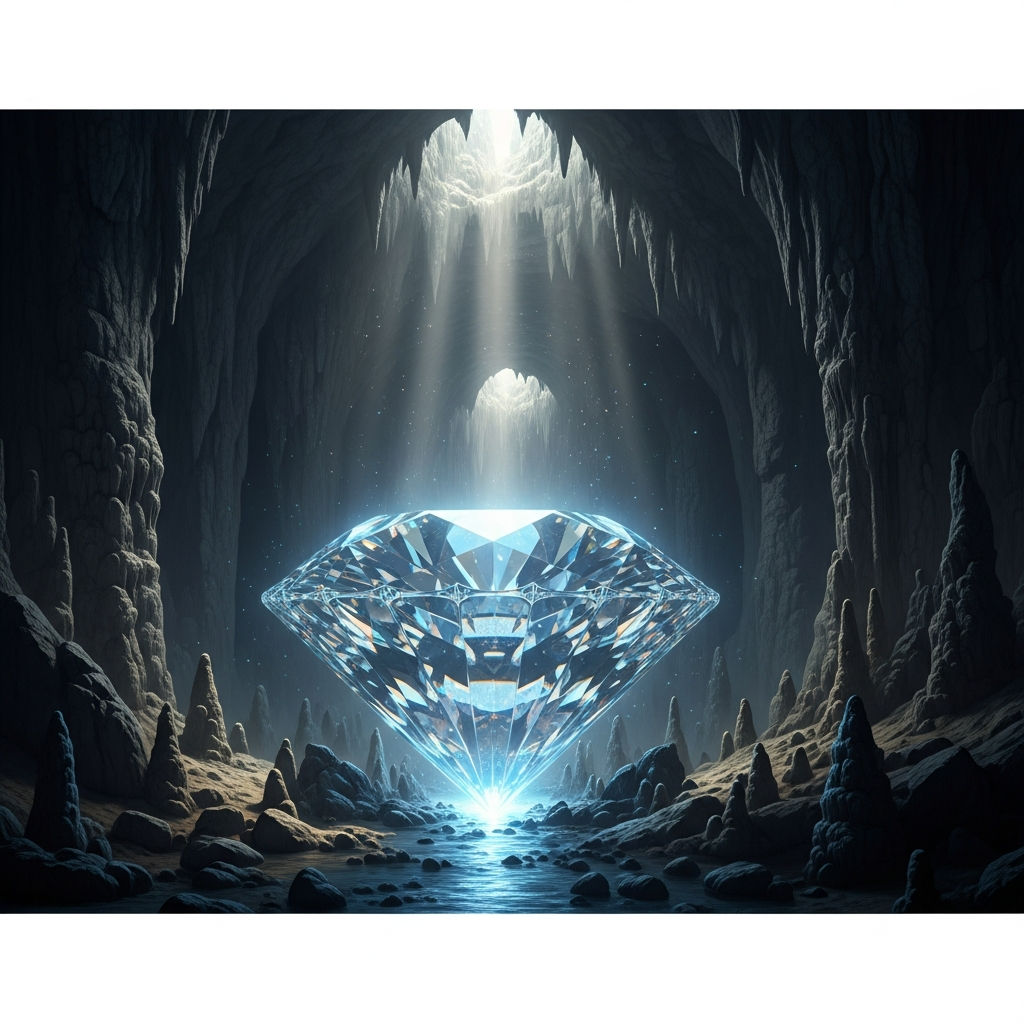
The story of a natural diamond begins approximately 90 to 150 miles below the Earth’s surface. Most diamonds found today were formed between one and three billion years ago. They are created when pure carbon is subjected to pressures of about 725,000 pounds per square inch and temperatures exceeding 2,000 degrees Fahrenheit.
These precious stones are brought to the surface through deep-seated volcanic eruptions. The magma from these eruptions solidifies into rocks known as kimberlite or lamproite, which act as “pipes” or veins where diamonds are mined. This incredible journey is what makes every natural diamond a rare geological miracle.
Understanding the 4Cs: The Universal Language of Diamond Quality
When evaluating a diamond’s quality and price, jewelers worldwide use the “4Cs” framework established by the Gemological Institute of America (GIA). Mastering these four pillars is the key to finding a high-quality stone.
1. Cut
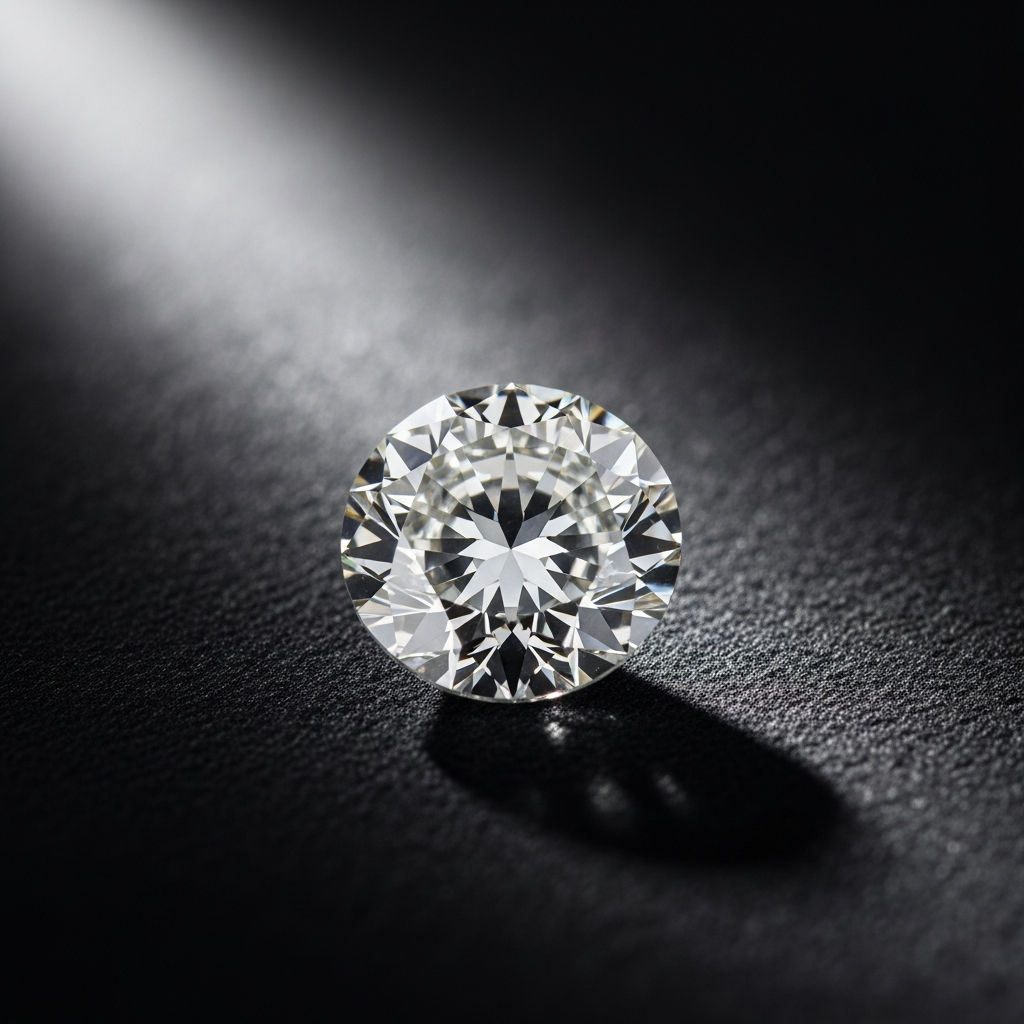
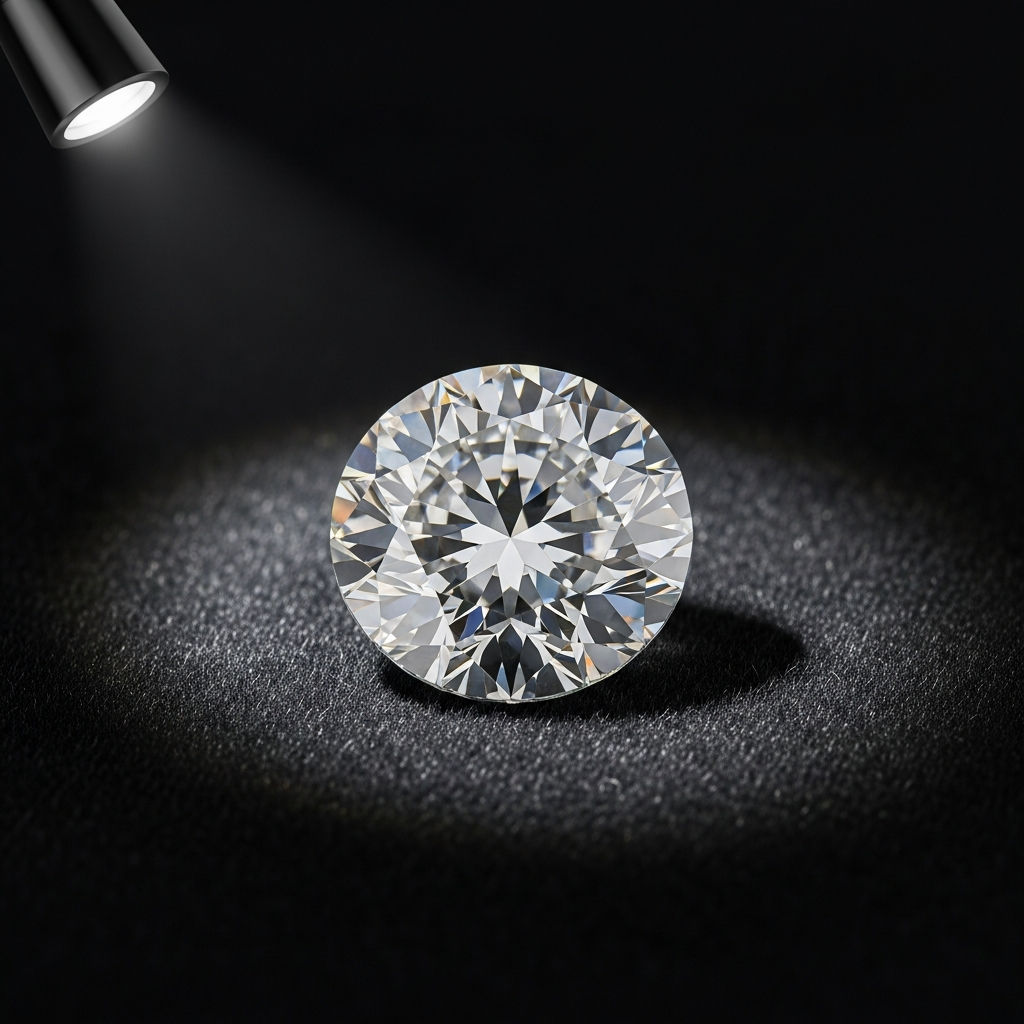
Often considered the most important of the 4Cs, the cut refers to how well a diamond’s facets interact with light. A well-cut diamond reflects light internally from one facet to another and disperses it through the top, creating that signature “sparkle.” The cut grades range from Excellent to Poor. Even a diamond with perfect color and clarity will look dull if the cut is too shallow or too deep.
2. Color
In white diamonds, the “color” actually refers to the absence of color. The GIA scale runs from D (completely colorless) to Z (light yellow or brown).
- D-F: Colorless (most rare and expensive)
- G-J: Near Colorless (excellent value, looks white to the naked eye)
- K-M: Faint tint
- N-Z: Noticeable color
3. Clarity
Clarity measures the number, size, and placement of internal “inclusions” or external “blemishes.” While perfect diamonds are incredibly rare, most flaws are microscopic.
- FL/IF: Flawless/Internally Flawless
- VVS1/VVS2: Very, Very Slightly Included
- VS1/VS2: Very Slightly Included (typically eye-clean)
- SI1/SI2: Slightly Included
- I1-I3: Included (flaws may be visible)
4. Carat Weight
Carat refers to the diamond’s weight, not necessarily its physical size. One carat is equal to 200 milligrams. As carat weight increases, the price rises exponentially because larger diamonds are significantly rarer than smaller ones.
Natural vs. Lab-Grown Diamonds: Which Should You Choose?
In recent years, lab-grown diamonds have disrupted the jewelry industry. While they are chemically, physically, and optically identical to natural diamonds, they are created in a laboratory setting using High Pressure-High Temperature (HPHT) or Chemical Vapor Deposition (CVD) processes.
The Case for Natural Diamonds
- Rarity and Value: Natural diamonds maintain better resale value due to their finite supply.
- Symbolism: Many prefer the “billion-year-old” history of a stone formed by nature.
- Investment: High-quality natural diamonds are often viewed as a long-term asset.
The Case for Lab-Grown Diamonds
- Affordability: Lab-grown diamonds can be 50% to 80% less expensive than natural ones.
- Ethical Transparency: They are guaranteed to be “conflict-free” as they are manufactured in controlled environments.
- Environmental Impact: While lab growth requires significant energy, it avoids the ecological disruption associated with traditional mining.
Famous Diamonds That Shaped History
Throughout history, certain diamonds have achieved legendary status due to their size, color, or the stories of the people who owned them.
- The Hope Diamond: Famous for its rare deep-blue color and supposed “curse,” this 45.52-carat diamond resides in the Smithsonian Institution.
- The Cullinan Diamond: The largest gem-quality rough diamond ever found, weighing 3,106 carats. It was cut into several stones, including the Star of Africa, which is part of the British Crown Jewels.
- The Koh-i-Noor: Meaning “Mountain of Light,” this stone has a long, contentious history involving various Indian and Persian rulers before becoming part of the British Royal Collection.
Industrial Applications: Beyond the Jewelry Box
While we primarily associate diamonds with engagement rings, about 80% of mined diamonds are used for industrial purposes. Because of their extreme hardness, they are essential for:
- Cutting and Drilling: Diamond-tipped tools are used to cut through steel, stone, and concrete.
- Electronics: Diamonds have high thermal conductivity, making them excellent for dissipating heat in high-performance computer chips.
- Medicine: Diamond-blade scalpels are used for precision surgeries, such as eye operations.
How to Buy a Diamond: Pro Tips for Success
Buying a diamond is a significant emotional and financial investment. To ensure you get the best value, keep these expert tips in mind:
1. Prioritize the Cut
If you have a limited budget, don’t compromise on the cut. A diamond with a “Good” or “Very Good” cut will sparkle much more than a larger diamond with a “Poor” cut. Sparkle is what people notice first, not the carat weight.
2. The “Eye-Clean” Rule
You don’t need to pay for a “Flawless” diamond. Most inclusions in the VS1 or VS2 range are invisible to the naked eye. By choosing an “eye-clean” stone, you can save thousands of dollars without sacrificing the diamond’s beauty.
3. Demand Certification
Never buy a diamond without an independent grading report from a reputable lab like the GIA or IGI. This certificate acts as a “passport” for your stone, verifying its 4C attributes and origin.
4. Consider the Shape
While the Round Brilliant is the most popular (and most expensive) shape, “Fancy Shapes” like the Oval, Pear, or Emerald cut can often appear larger for the same carat weight and are generally priced lower per carat.
How to Care for Your Diamond Jewelry
Diamonds are durable, but they are not indestructible. They can chip if struck at the right angle and can easily collect oils and dust, which dulls their brilliance.
- Regular Cleaning: Soak your diamond in warm water with a few drops of mild dish soap. Use a soft toothbrush to gently scrub the underside of the stone where oil accumulates.
- Safe Storage: Diamonds can scratch other gemstones and metals. Store diamond jewelry in separate soft pouches or a lined jewelry box.
- Professional Inspections: Visit a jeweler once a year to ensure the prongs are secure. A loose prong is the most common reason for losing a center stone.
Conclusion
Diamonds are more than just sparkling accessories; they are a testament to the incredible power of nature and the ingenuity of human craftsmanship. Whether you are drawn to the timeless allure of a natural stone or the modern innovation of a lab-grown diamond, understanding the 4Cs and the history of these gems ensures that your purchase will be cherished for generations to come.
By focusing on quality, certification, and personal style, you can find a diamond that reflects your unique story—a stone that truly lasts forever.