“`html
The Ultimate Guide to Diamonds: Understanding the World’s Most Desired Gemstone
For centuries, the diamond has stood as the ultimate symbol of endurance, luxury, and love. As the hardest natural substance on Earth, this gemstone is much more than just a centerpiece for engagement rings; it is a marvel of geology and a vital tool in modern industry. Whether you are looking to purchase a diamond, invest in precious stones, or simply understand the science behind the sparkle, this comprehensive guide explores everything you need to know about diamonds.
The Science of Brilliance: What Exactly is a Diamond?
At its most basic level, a diamond is a solid form of the element carbon with its atoms arranged in a crystal structure called diamond cubic. This unique atomic arrangement is what gives the gemstone its legendary hardness. On the Mohs scale of mineral hardness, a diamond ranks at a perfect 10, meaning it can only be scratched by another diamond.
Most natural diamonds were formed billions of years ago under conditions of extreme heat and pressure, roughly 90 to 150 miles below the Earth’s surface. They are eventually brought to the surface through deep-seated volcanic eruptions in structures known as kimberlite pipes. It is this combination of antiquity, rarity, and physical resilience that makes diamonds so incredibly valuable.
The Journey of a Gemstone: Natural vs. Lab-Grown Diamonds
In the modern market, consumers face a significant choice: natural diamonds or lab-grown diamonds. Understanding the difference is crucial for any buyer.
Natural Diamonds
Natural diamonds are the product of nature’s raw power over eons. Their value often stems from their rarity and the complex history of their formation. Because no two natural diamonds are exactly alike, they are often viewed as unique pieces of Earth’s history.
Lab-Grown Diamonds
Lab-grown diamonds (also known as synthetic or cultured diamonds) are chemically, physically, and optically identical to natural diamonds. They are created in controlled laboratory environments using two primary methods:
- HPHT (High Pressure High Temperature): Mimics the crushing pressure and intense heat of the Earth’s mantle.
- CVD (Chemical Vapor Deposition): Uses a carbon-rich gas plasma to deposit carbon atoms onto a diamond seed.
The primary advantages of lab-grown diamonds are their lower price point and the transparency of their supply chain, making them a popular choice for eco-conscious consumers.
Understanding the 4 Cs: The Universal Standard for Quality
In the 1950s, the Gemological Institute of America (GIA) established the “4 Cs” to provide a universal language for describing diamond quality. Whether you are buying a natural or lab-grown stone, these four factors determine its market value.
1. Cut
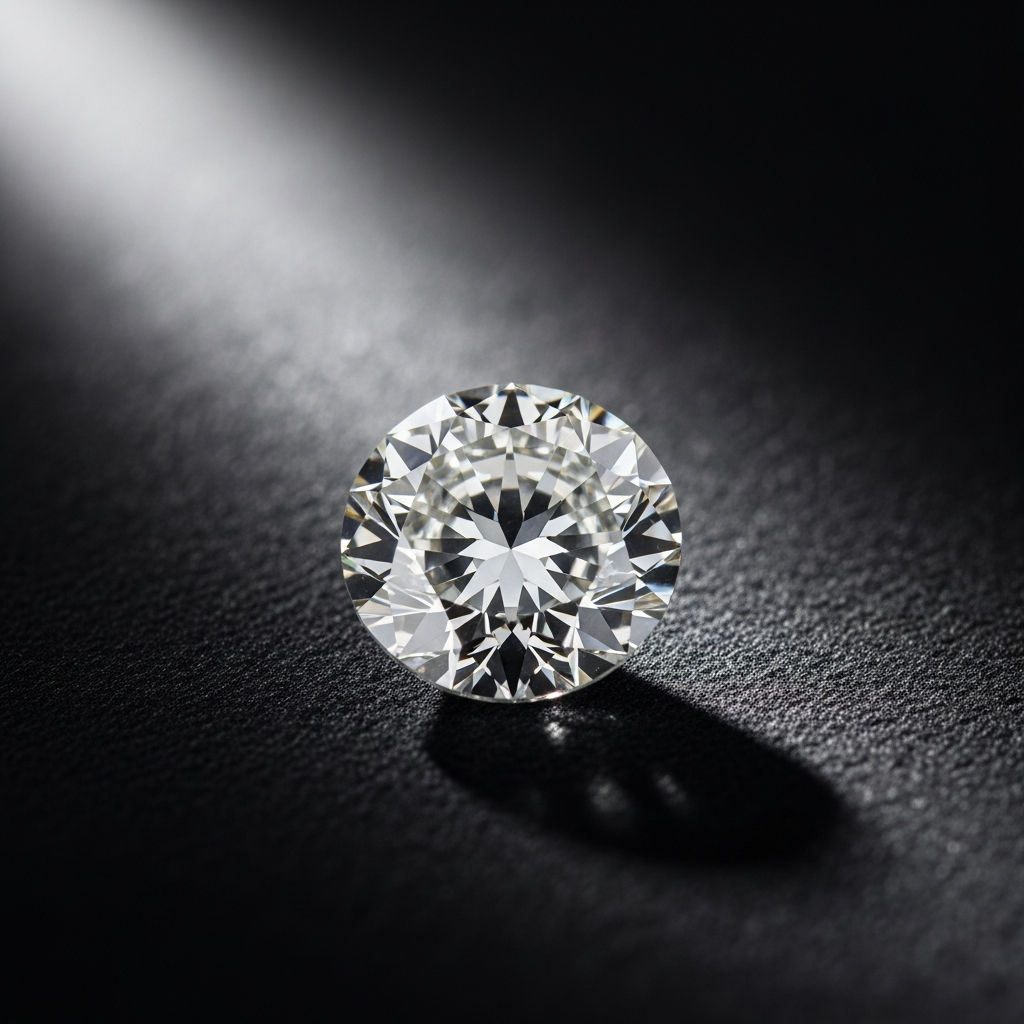
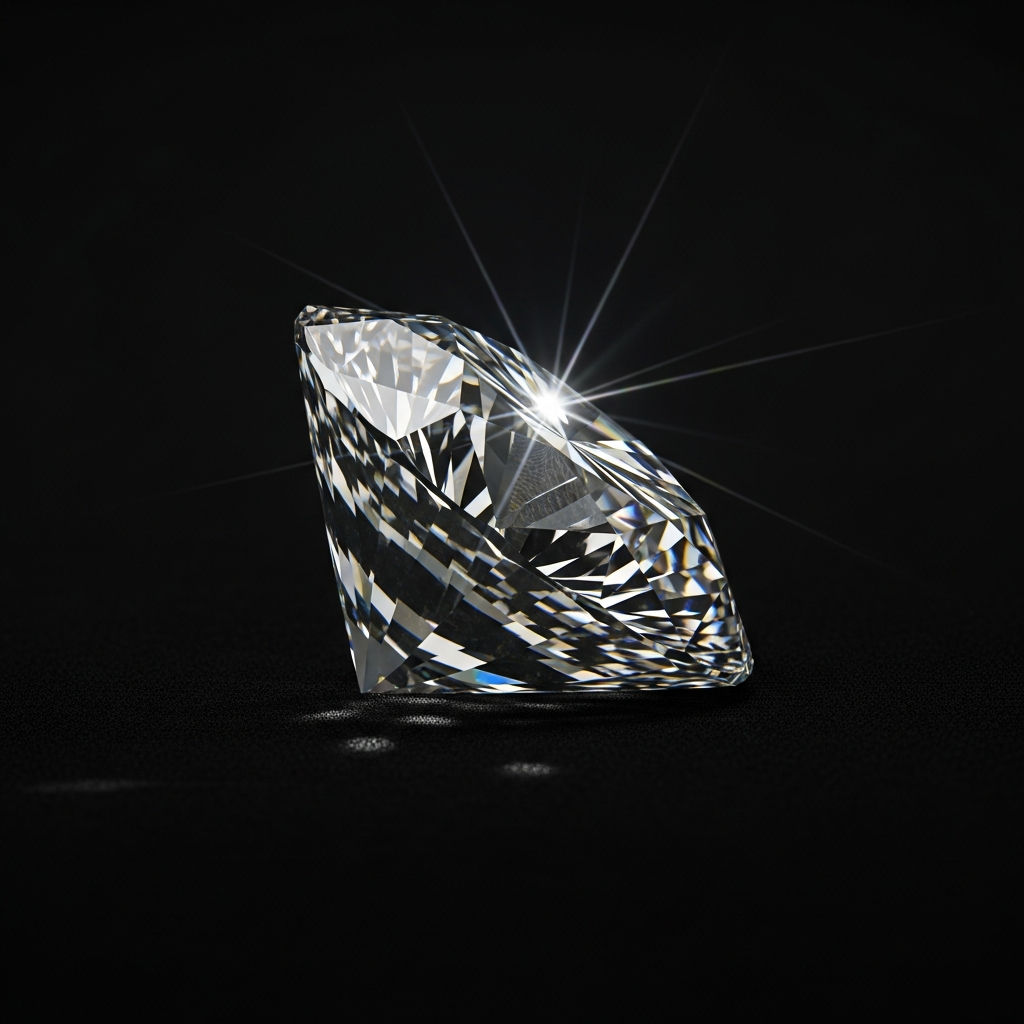
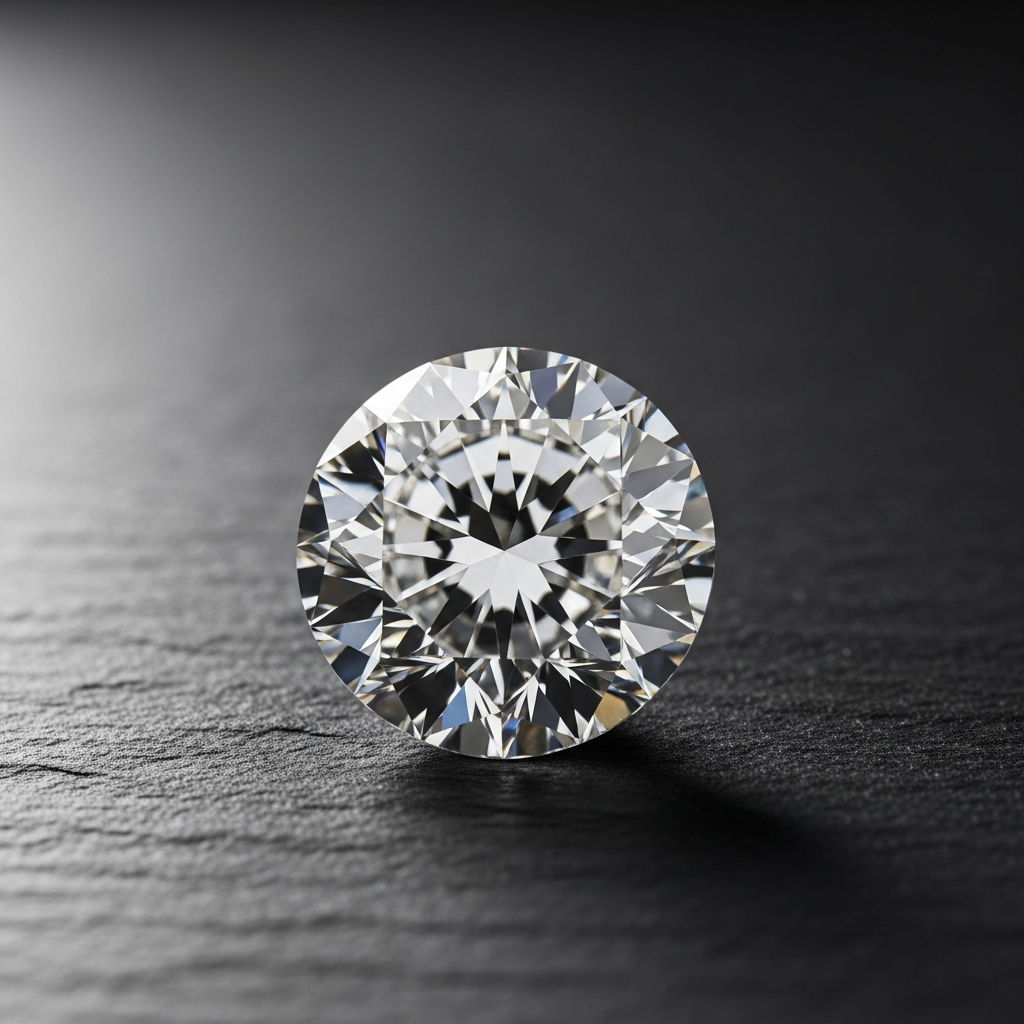
The cut is arguably the most important of the 4 Cs. It refers not to the shape (like round or pear), but to how well a diamond’s facets interact with light. A well-cut diamond reflects light internally from one facet to another and disperses it through the top, creating that signature “fire” and “brilliance.”
2. Color
Diamond color is graded on a scale from D (colorless) to Z (light yellow or brown). The less color a diamond has, the higher its value. However, there is a separate category for “Fancy Color Diamonds,” which include rare hues like blue, pink, and green; these are graded on a different scale and can be exponentially more expensive than colorless stones.
3. Clarity
Clarity measures the purity of the diamond. Almost all diamonds have small “birthmarks” known as inclusions (internal) or blemishes (external). The GIA scale ranges from Flawless (no inclusions visible under 10x magnification) to Included (inclusions visible to the naked eye).
4. Carat Weight
Carat refers to the diamond’s weight, not necessarily its size. One carat is equivalent to 200 milligrams. While larger diamonds are rarer and more expensive, two diamonds of equal carat weight can have vastly different values depending on their cut, color, and clarity.
The Cultural Significance and History of Diamonds
The word “diamond” is derived from the Greek word adamas, meaning “unconquerable.” Historically, the first diamonds were recognized and mined in India over 3,000 years ago, where they were valued for their ability to refract light and were used as talismans to ward off evil.
The modern obsession with diamond engagement rings is a relatively recent phenomenon. While Archduke Maximilian of Austria was the first to propose with a diamond ring in 1477, it wasn’t until the De Beers “A Diamond is Forever” marketing campaign in 1947 that the diamond became the standard symbol of betrothal worldwide. Today, diamonds represent commitment, luxury, and milestone achievements.
Beyond Jewelry: The Industrial Power of Diamonds
While we most often associate diamonds with jewelry, about 80% of mined diamonds are unsuitable for gemstones and are used for industrial purposes. Because of their unmatched hardness and thermal conductivity, diamonds are essential in various sectors:
- Cutting and Drilling: Diamond-tipped drill bits are used in oil exploration and mining to cut through stone and metal.
- Electronics: Diamonds act as heat sinks, drawing heat away from sensitive computer components.
- Medicine: Diamond-edged scalpels are used in eye surgery and other precision medical procedures because they stay sharper longer than steel.
- Abrasives: Diamond dust is used to polish other gemstones and precision lenses.
Ethical Sourcing and the Kimberley Process
The diamond industry has faced significant scrutiny regarding “conflict diamonds”—stones mined in war zones and sold to finance armed conflict against governments. In 2003, the Kimberley Process Certification Scheme was established to prevent these diamonds from entering the mainstream market. Today, over 99% of diamonds are sourced from conflict-free areas. Many modern consumers also look for “Sustainably Rated” certifications to ensure that the mining process respects both human rights and environmental standards.
How to Care for Your Diamond Jewelry
Even though diamonds are incredibly durable, they still require care to maintain their sparkle. Oil from your skin, lotions, and dust can create a film on the surface, dulling the stone’s brilliance.
- Regular Cleaning: Soak your diamond in a solution of warm water and mild dish soap once a week. Use a soft toothbrush to gently scrub the stone.
- Safe Storage: Because diamonds can scratch other jewelry, store them in a fabric-lined box or a separate pouch.
- Professional Inspections: Take your diamond jewelry to a professional jeweler once a year to check the prongs and ensure the stone is secure.
Conclusion: The Enduring Legacy of the Diamond
The diamond remains one of the most fascinating substances on our planet. It is a bridge between the deep history of the Earth and the most cutting-edge technologies of the future. Whether you value a diamond for its investment potential, its industrial utility, or its emotional significance, understanding the intricacies of this gemstone allows you to appreciate its true brilliance. As we move forward, the combination of ethical natural mining and the rise of sustainable lab-grown options ensures that the diamond’s sparkle will never fade.
“`