The Ultimate Guide to Diamonds: From Earth’s Mantle to Eternal Brilliance
Diamonds have captivated human imagination for millennia. Often referred to as “a girl’s best friend” or the ultimate symbol of eternal love, these gemstones are far more than just sparkly ornaments. They are geological miracles, industrial powerhouses, and significant financial assets. In this comprehensive guide, we delve deep into the world of diamonds, exploring their formation, the science behind their brilliance, the rise of lab-grown alternatives, and how to choose the perfect stone using the industry-standard 4 Cs.
What is a Diamond? The Science of Carbon
At its most basic level, a diamond is a solid form of the element carbon with its atoms arranged in a crystal structure called diamond cubic. While graphite—the material in your pencil—is also made of carbon, the difference lies in the bonding. In a diamond, every carbon atom is bonded strongly to four others, creating a three-dimensional lattice that is incredibly rigid.
This unique molecular structure makes the diamond the hardest naturally occurring substance on Earth. On the Mohs scale of mineral hardness, diamonds sit at a perfect 10. This physical property is why diamonds are not only used in engagement rings but also in heavy-duty industrial applications where cutting, grinding, and drilling are required.
How Diamonds Are Formed: Nature’s High-Pressure Kitchen
Natural diamonds are ancient. Most were formed between 1 billion and 3.5 billion years ago, deep within the Earth’s mantle—roughly 90 to 150 miles below the surface. The process requires a very specific set of conditions:
- Extreme Pressure: Approximately 45 to 60 kilobars of pressure are needed to compress carbon into a diamond lattice.
- Intense Heat: Temperatures must range between 900 and 1,300 degrees Celsius (1,652 to 2,372 degrees Fahrenheit).
- Volcanic Delivery: Diamonds reach the surface through rare volcanic eruptions involving kimberlite or lamproite pipes. These “magma elevators” bring the stones to the surface rapidly enough that they don’t turn back into graphite during the ascent.
Natural vs. Lab-Grown Diamonds
In recent years, the jewelry market has seen a massive shift with the introduction of lab-grown diamonds. It is important to understand that lab-grown diamonds are chemically, physically, and optically identical to natural diamonds. They are not “fakes” like cubic zirconia or moissanite.
Lab diamonds are created using two primary methods: High Pressure High Temperature (HPHT), which mimics the Earth’s natural process, and Chemical Vapor Deposition (CVD), which uses a carbon-rich gas to grow the crystal atom by atom. The main benefits of lab-grown stones include a lower price point and a smaller environmental footprint, though natural diamonds still hold a higher resale value due to their rarity.
Understanding the 4 Cs: The Universal Grading Standard
In the 1940s and 50s, the Gemological Institute of America (GIA) established the “4 Cs” to provide a universal language for describing diamond quality. Whether you are buying an investment piece or an engagement ring, these are the factors that determine a diamond’s value.
1. Cut
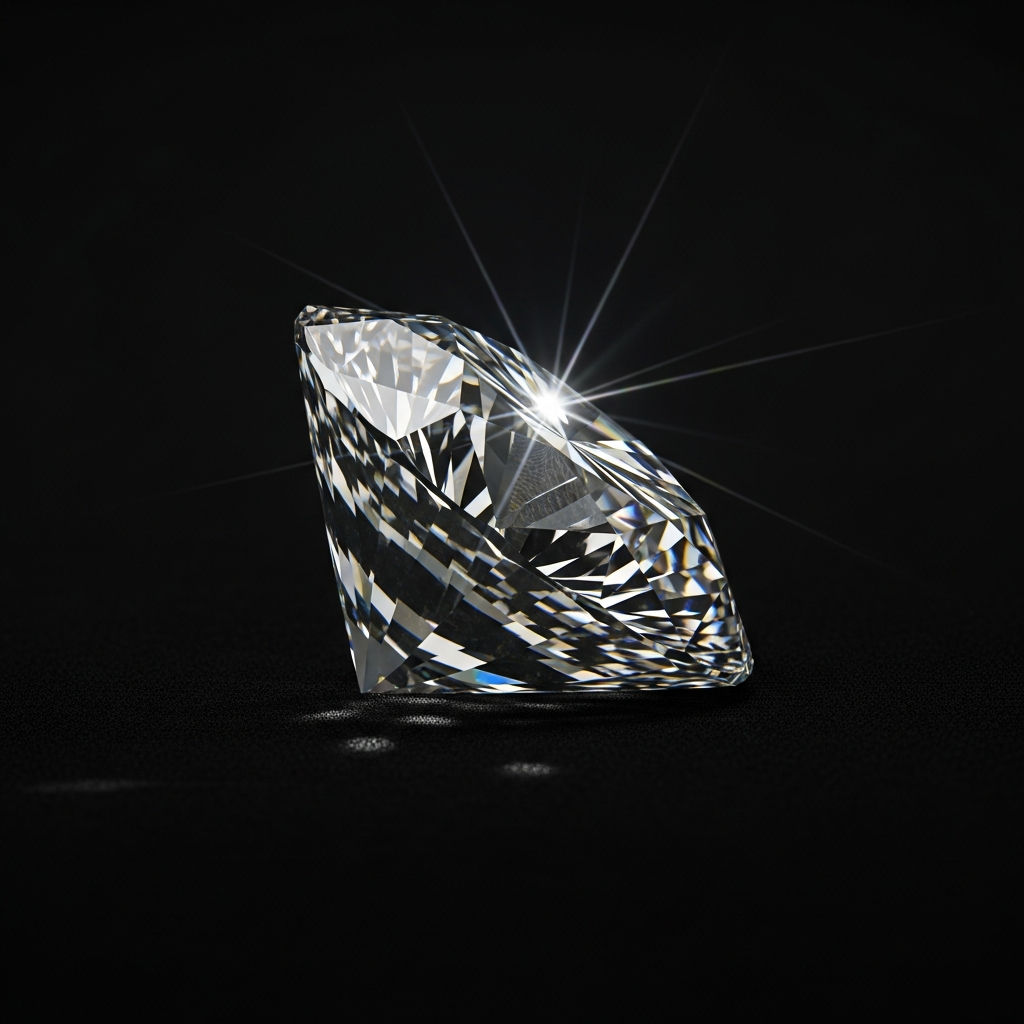
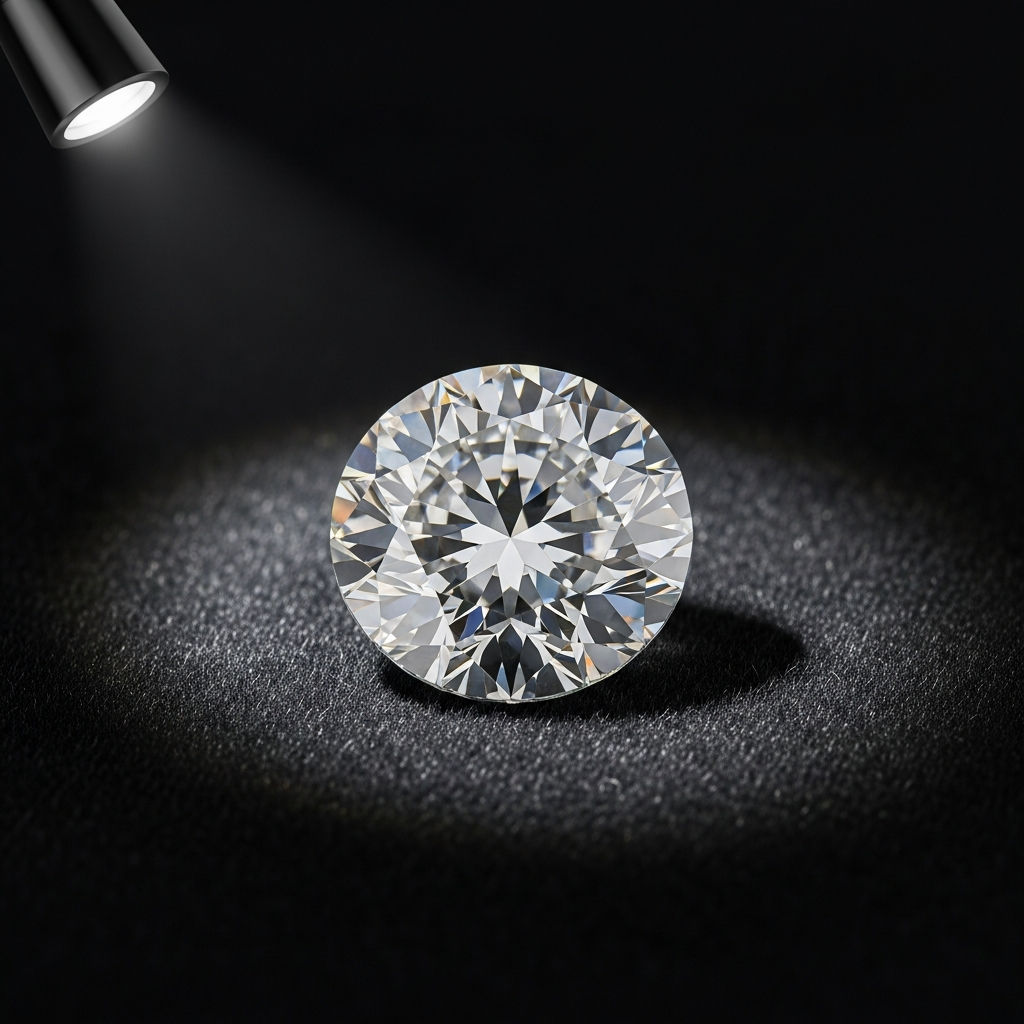
The cut is often considered the most important of the 4 Cs. It refers not to the shape of the diamond (like pear or oval), but to how well its facets interact with light. A well-cut diamond reflects light internally from one facet to another and then disperses it through the top. This creates three effects:
- Brilliance: The white light reflected back to the eye.
- Fire: The scattering of white light into all the colors of the rainbow.
- Scintillation: The sparkles produced when the diamond moves.
2. Color
For white diamonds, the “color” grade actually measures the absence of color. The GIA scale runs from D (completely colorless) to Z (light yellow or brown).
- D-F: Colorless (rare and most expensive).
- G-J: Near Colorless (appears white to the naked eye, great value).
- K-M: Faint color.
There are also “Fancy Color” diamonds, which include rare blues, pinks, and greens. Unlike white diamonds, these are valued for the intensity and purity of their hue.
3. Clarity
Diamonds are formed under intense pressure, which often results in internal “inclusions” or surface “blemishes.” Clarity is the assessment of these characteristics. The scale includes:

- FL/IF: Flawless/Internally Flawless (extremely rare).
- VVS1/VVS2: Very, Very Slightly Included.
- VS1/VS2: Very Slightly Included (inclusions invisible to the naked eye).
- SI1/SI2: Slightly Included.
- I1/I2/I3: Included (imperfections may be visible without magnification).
4. Carat Weight
Carat refers to the weight of the diamond, not its physical size. One carat equals 200 milligrams. While weight correlates with size, the cut can affect how “large” a diamond looks. Larger diamonds are rarer, so the price per carat increases exponentially as the weight goes up.
The Many Uses of Diamonds
While we often think of diamonds in the context of jewelry, they play a critical role in global industry and technology.
Jewelry and Symbolism
Diamonds have been used as adornments for centuries, but the “diamond engagement ring” tradition was largely popularized by a De Beers marketing campaign in the 1940s with the slogan “A Diamond is Forever.” Today, they represent commitment, luxury, and milestone achievements.
Industrial Applications
Approximately 80% of mined diamonds are unsuitable for jewelry and are instead used for industrial purposes. Because of their hardness, they are used in:
- Cutting Tools: Diamond-tipped saws and drill bits for mining and construction.
- Abrasives: Diamond dust is used for polishing other gemstones and precision metalwork.
- Electronics: Due to their high thermal conductivity, diamonds are used to dissipate heat in high-power microchips.
- Medicine: Diamond-bladed scalpels are used in eye and neurological surgeries for their precision.
Ethical Considerations and the Kimberley Process
The diamond industry has faced significant scrutiny regarding “blood diamonds” or “conflict diamonds”—stones mined in war zones to finance insurgency. To combat this, the Kimberley Process Certification Scheme (KPCS) was established in 2003. This international initiative is designed to prevent conflict diamonds from entering the mainstream market.
When purchasing a diamond today, consumers should look for retailers who provide “conflict-free” guarantees and GIA or IGI certifications. Additionally, many modern consumers are turning to lab-grown diamonds or recycled vintage diamonds to ensure their purchase is socially and environmentally responsible.
How to Buy a Diamond: Tips for Consumers
Buying a diamond is a significant investment. To ensure you get the best value, keep these expert tips in mind:
- Prioritize the Cut: A diamond with “Excellent” cut but “Near Colorless” grade will look better than a “Colorless” diamond with a “Poor” cut.
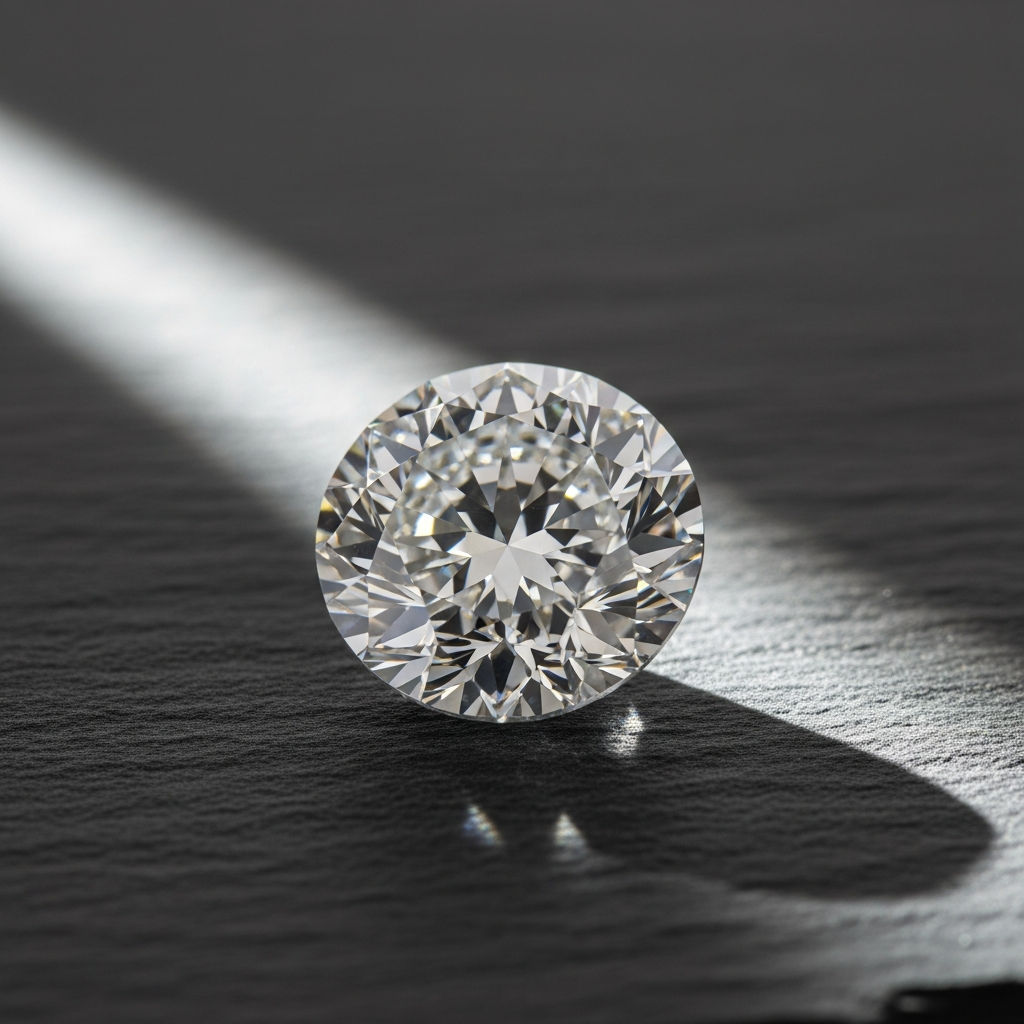
- See it in Different Light: Diamonds look different under jeweler’s LED lights compared to natural sunlight. Always ask to see the stone in various lighting conditions.
- Insist on Certification: Never buy a significant diamond without a report from a reputable lab like the GIA, IGI, or HRD. This report verifies the 4 Cs you are paying for.
- Consider “Eye-Clean” Stones: You don’t need a Flawless diamond. A VS2 or SI1 diamond is often “eye-clean,” meaning you can’t see the inclusions without a microscope, saving you thousands of dollars.
Conclusion
Whether formed in the fiery depths of the Earth over billions of years or grown in a high-tech laboratory, diamonds remain one of the most fascinating substances on our planet. They are a perfect intersection of science, art, and history. By understanding the 4 Cs and the ethical landscape of the modern industry, you can appreciate these stones not just for their sparkle, but for the incredible journey they take to reach your hand.