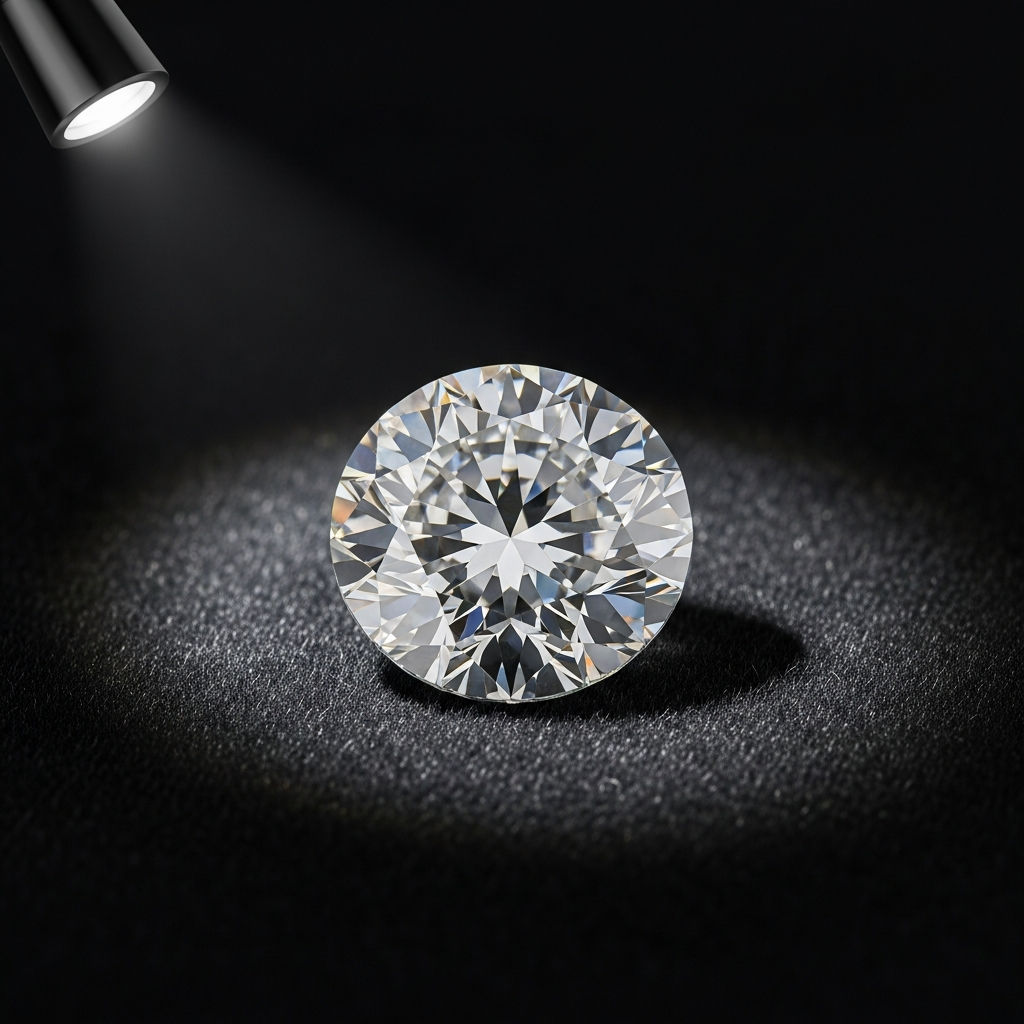

Diamond: The Ultimate Guide to Nature’s Hardest Gemstone
For centuries, the diamond has stood as the ultimate symbol of love, resilience, and luxury. Formed deep within the Earth’s mantle under conditions of extreme heat and pressure, this gemstone is more than just a piece of jewelry; it is a geological marvel. Whether you are looking to purchase an engagement ring, investing in commodities, or simply fascinated by mineralogy, understanding the complexities of the diamond is essential. In this comprehensive guide, we explore the history, science, grading, and modern evolution of the world’s most coveted stone.
The Science and Formation of Diamonds
The word “diamond” is derived from the Greek word adamas, meaning “unbreakable” or “invincible.” This is a fitting name for the hardest known natural substance on Earth. Chemically, a diamond is composed of pure carbon atoms arranged in a crystal structure known as a “diamond cubic.”
Most natural diamonds were formed between one billion and three billion years ago. They are created approximately 90 to 150 miles beneath the Earth’s surface. The formation process requires specific conditions:
- Extreme Pressure: Approximately 45,000 to 60,000 times atmospheric pressure.
- High Temperature: Temperatures ranging from 900 to 1,300 degrees Celsius.
- Volcanic Activity: Diamonds are brought to the surface through deep-seated volcanic eruptions in rocks known as kimberlite or lamproite.
Physical Properties
On the Mohs scale of mineral hardness, a diamond sits at a perfect 10. This means it can only be scratched by another diamond. Beyond its hardness, it possesses high thermal conductivity and a high refractive index, which contributes to its signature “fire” and brilliance when light passes through it.
The 4Cs: How Diamond Quality is Graded
When evaluating a diamond’s value and beauty, the industry follows a universal standard established by the Gemological Institute of America (GIA) known as the 4Cs. These factors determine the rarity and, consequently, the price of the stone.
1. Cut
The cut is arguably the most important of the 4Cs. It does not refer to the shape (round, pear, oval), but rather how well the diamond’s facets interact with light. A well-cut diamond reflects light internally from one facet to another and disperses it through the top, creating a dazzling sparkle. Poorly cut diamonds allow light to “leak” out the sides or bottom, making the stone appear dull.
2. Color
In white diamonds, the absence of color is what determines value. The GIA color scale ranges from D (completely colorless) to Z (light yellow or brown).
- D-F: Colorless (most rare and expensive).
- G-J: Near Colorless (appears white to the naked eye).
- K-M: Faint color.
- N-Z: Noticeable tint.
Note: “Fancy” colored diamonds (blue, pink, yellow, red) follow a different grading system and can be even more valuable than colorless stones.
3. Clarity
Because diamonds are formed under immense pressure, they often contain internal “inclusions” or external “blemishes.” Clarity measures the number, size, and placement of these imperfections. The scale ranges from Flawless (FL) to Included (I1-I3). Most inclusions are microscopic and cannot be seen by the untrained eye.
4. Carat Weight
Carat refers to the diamond’s weight, not necessarily its physical size. One carat is equal to 200 milligrams. While larger diamonds are rarer and more expensive, two diamonds of equal carat weight can have drastically different values depending on their Cut, Color, and Clarity.

Natural vs. Lab-Grown Diamonds
In recent years, the jewelry industry has seen a massive shift with the rise of lab-grown diamonds. It is important to understand that lab-grown diamonds are chemically, physically, and optically identical to natural diamonds. The only difference is their origin.
Lab-Grown Diamonds
These are created in laboratories using two primary methods: Chemical Vapor Deposition (CVD) or High Pressure High Temperature (HPHT). They offer several advantages:
- Price: Often 60% to 80% less expensive than natural diamonds.
- Ethics: Guaranteed to be conflict-free and often marketed as more sustainable.
- Quality: Consumers can often afford a higher-grade stone (better color and clarity) for a lower price.
Natural Diamonds
Natural diamonds maintain a unique appeal due to their rarity and the billions of years required for their creation. They tend to hold their resale value better than lab-grown counterparts and carry a “romantic” heritage that many buyers still prefer for significant milestones like engagements.
Industrial Applications of Diamonds
While we often associate diamonds with luxury, only about 20% of mined diamonds are of gem-quality. The remaining 80% are used in industrial applications. Because of their extreme hardness and thermal properties, diamonds are indispensable in various sectors:
- Cutting and Drilling: Diamond-tipped tools are used to cut glass, stone, and reinforced concrete.
- Electronics: Due to their high thermal conductivity, they are used as heat sinks for high-power transistors and laser diodes.
- Medicine: Diamond-edged scalpels provide precision in eye and neurological surgeries.
- Abrasives: Diamond dust is used for polishing other gemstones and precision metal parts.
The History and Lore of Diamonds
The journey of the diamond began in India, where they were first gathered from rivers and streams as early as the 4th century BC. They were prized by royalty and the wealthy for their ability to refract light and their perceived protective powers. In the Dark Ages, diamonds were thought to have healing properties, capable of curing ailments when worn or even ingested.
The modern diamond industry truly began in the late 19th century with the discovery of massive diamond pipes in Kimberley, South Africa. This led to the formation of De Beers, the corporation that famously coined the slogan “A Diamond is Forever” in 1947, forever linking the stone to the concept of eternal love and marriage.
How to Care for Your Diamond Jewelry
Although diamonds are incredibly durable, they still require maintenance to keep them shining. Oil from your skin, lotions, and dust can create a film on the surface, dulling the stone’s brilliance.
- Regular Cleaning: Soak your diamond in a solution of warm water and mild dish soap. Use a soft-bristled toothbrush to gently scrub the facets.
- Safe Storage: Because diamonds can scratch other jewelry (and each other), store them in individual soft pouches or separate compartments in a jewelry box.
- Professional Inspections: Have a jeweler check the “prongs” of your ring annually to ensure the stone remains secure in its setting.
Conclusion: The Timeless Appeal of the Diamond
Whether it is a billion-year-old natural stone or a modern lab-grown marvel, the diamond remains one of the most fascinating substances on Earth. It represents the pinnacle of human craftsmanship and the raw power of nature. When purchasing a diamond, remember that the “best” stone is a balance of the 4Cs that fits your personal style and budget. By understanding the science and grading behind these gems, you can make an informed decision and cherish a piece of history—and geology—for a lifetime.